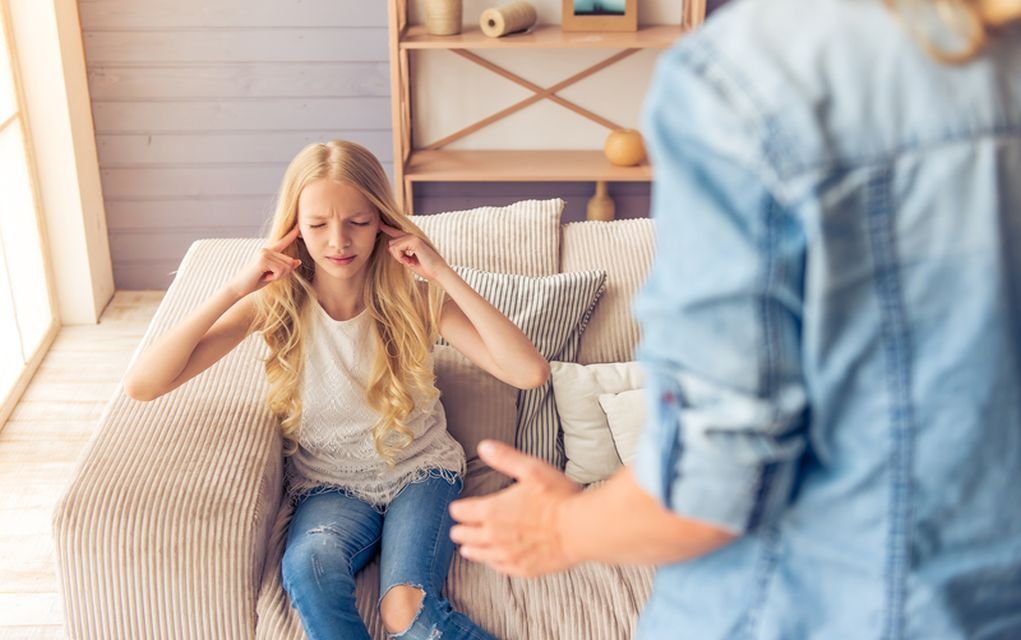
Imagine if you knew the one essential thing to stop yelling at your kids? You know you don’t want to yell. But somehow it’s so easy to react with a sharp tone of voice, or to roar at our kids, even when we know it’s not what we want to do. Val Mullally, our resident parenting expert and author, shares why it’s so hard to break the habit — and what actually helps.
Sign up for our free monthly newsletter, packed with ideas, competitions and offers.
When I first shared my blog post “10 Simple Ways for Parents to Stop Themselves Yelling at Kids”, it struck a real chord — shared and read by thousands of parents. Why? Because deep down, we all know yelling doesn’t work. So what really works to break the yelling habit? Here it is.
The One Essential Thing to Stop Yelling at Your Kids

Maybe you’ve noticed that when you yell, your child:
- develops selective deafness
- ignores your demands
- withdraws from you
- makes excuses
- becomes aggressive or sullen
Is this what we’re trying to achieve? Don’t we all want happy, cooperative kids? And when we yell, we’re not being the parent we really want to be — we’re left feeling “not okay” about ourselves afterwards. So what can a parent do?
What Neuroscience Tells Us About Yelling
Neuroscience research backs up why yelling doesn’t work. Neuroscientist Dr Daniel Siegel and Dr Tina Payne Bryson explore this in their book “The Yes Brain Child: Help Your Child Be More Resilient, Independent and Creative“. Siegel has done the brain research, and here’s how it applies to yelling.
Siegel explains reactive behaviour using a simple diagram: a green zone, with a blue zone and a red zone on either side.
We’re either in the green zone (think traffic light — green for go, safe to proceed), or we’re in the blue zone or the red. The blue zone is where we’re trapped in fear, and the red zone is where anger has taken control.

Siegel’s work explains that a child’s behaviour becomes reactive when they’re in the red or blue zone. So the parent’s first job is to help the child back into the “green zone”, where they can think clearly and behave cooperatively. When you think about it, it’s obvious that yelling just pushes them further into the red “fight back” zone, or the blue “disappear inside yourself” zone.
Either way, when we yell, they don’t listen — because our behaviour pushes them deeper into red or blue. But the reason we raised our voice was to get them to listen. It’s a catch-22.
So What Can a Parent Do to Stop Yelling?

What makes the difference? Stay in the green zone. Siegel’s theory applies just as much to us as parents. Are you with me on this?
Unless your blue-zone reaction is protecting someone from real danger, can you think of a time you yelled when you weren’t angry?
If we’re yelling, we’ve slipped into the red zone — anger has grabbed the driving seat.
If we want different behaviour from our kids, it starts with us. That means getting back into the green zone whenever we start losing our cool.
How do you stop yelling? Return to the green zone.
Green Zone Parenting to Stop the Yelling

In an earlier article, I shared “10 Simple Ways to Stop Yelling”. To change our behaviour and take real steps to stop ourselves yelling, we need to think clearly — and to think clearly, we need to be in the green zone.
- We can’t recognise the yelling trap unless we’re in the green zone.
- We can’t acknowledge that yelling doesn’t work unless we’re in the green zone.
- We can’t imagine how our child experiences our yelling unless we’re in the green zone.
Read through “10 Simple Ways to Stop Yelling”. Each of those steps can help you break the yelling habit — but unless you’re in the green zone first, it’s hard to think clearly enough to put them into practice. You can also watch my video chat on this topic.
Next time you’re tempted to yell, notice which zone you’re in.
Green (calm and thinking clearly)?
Red (angry and frustrated)?
Blue (feeling fearful or anxious)?
What we need are tools to get back to the green zone — because once we’re there, we can think through what to do differently.
Yelling is a trap that’s easy to fall into without realising it. Now you know the one essential thing to stop yelling. The good news is, the moment we recognise we’re edging out of the green zone, we can use strategies to avoid the trap altogether.
Over to you now. What zone are you in when you start yelling? What helps you get back to the green zone? Share your thoughts in the comments below.

Frequently Asked Questions
Why do I yell at my kids even when I don’t want to?
Yelling usually happens when we slip into the “red zone” — a state of anger or frustration that overrides calm thinking. It’s a reactive habit, not a character flaw, and it can be unlearned by noticing the shift as it happens.
Does yelling actually work to get kids to listen?
Not in the way we hope. Yelling tends to push children further into fight, freeze or withdraw responses, making them less able to listen and cooperate — even though getting them to listen was the whole point.
What’s the fastest way to calm down before I yell?
Pause and name your zone — green, red or blue. That moment of noticing is often enough to interrupt the reaction and give you a chance to respond differently.
Is it normal to still yell sometimes even when I’m working on it?
Yes. Breaking a yelling habit is gradual. Progress looks like noticing sooner and recovering faster, not never losing your cool again.
Related Reading
- 10 Simple Ways for Parents to Stop Themselves Yelling at Kids
- Watch: Tips for Parents to Stop Yelling at Kids with Parenting Coach Val Mullally
Want More Ideas Like This?
If this gave you something to think about, you’ll enjoy our free monthly newsletter — practical parenting ideas, ways to connect with your kids, plus family competitions and offers, straight to your inbox. Sign up here, it’s free.
Looking for more like this? Browse our family life hub for more real-world parenting ideas and save this one for the next time you need a reset.