Are you tripping over toys in your house? Research into children’s play might just be the excuse you need to do a toy cull — or at least hide a few away for a rainy day. Here’s what the evidence says about why too many toys might actually be bad for your child.
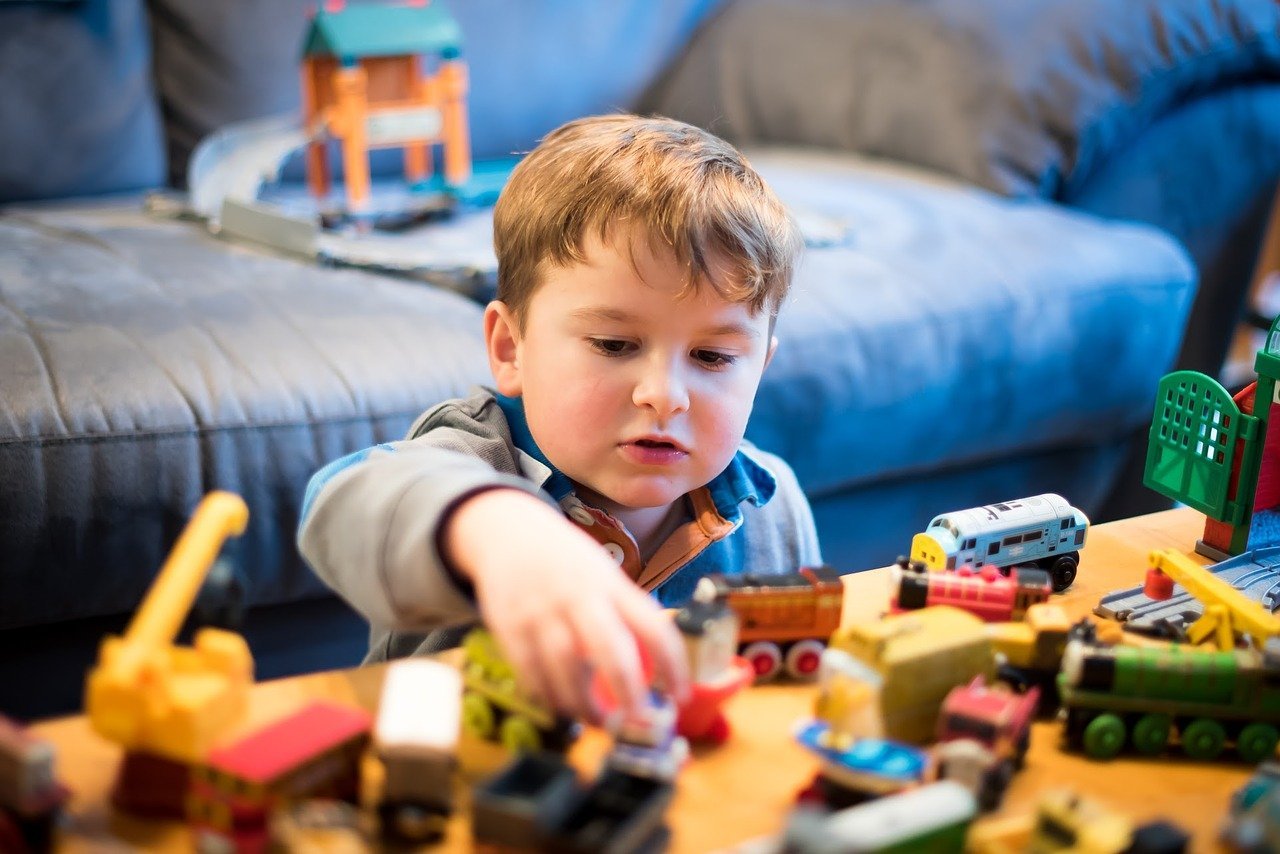
Researchers at the University of Toledo in Ohio studied how toddlers played when given different numbers of toys. They invited 36 toddlers to play in a room with either 4 toys or 16 toys for half an hour.
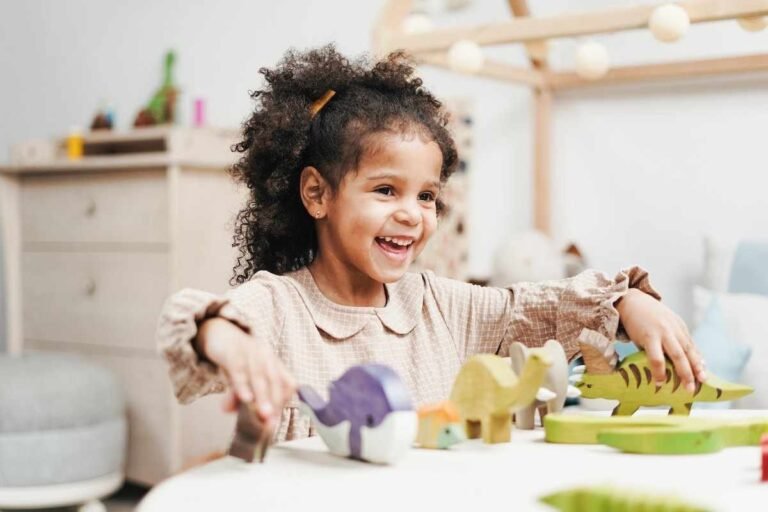
The children with fewer toys played more creatively. They also spent twice as long playing with each individual toy, coming up with more inventive uses for it and engaging more deeply with their games.
Dr Carly Dauch, the study’s lead author, explained that the research set out to determine whether the number of toys in a toddler’s environment influences the quality of their play. The finding was clear: when toddlers have fewer toys available, they play with each one for longer, allowing them to focus, explore and be more creative.
The study was published in the journal Infant Behaviour and Development.
You might also enjoy Don’t Miss These 10 Hacks for Parents to Organise Toys

It’s Not the Only Study to Say So
This isn’t the first time research has suggested that too many toys can be distracting for young children. A well-known project in Germany, “Der Spielzeugfreie Kindergarten” (the toy-free nursery), run by public health officers Rainer Strick and Elke Schubert, set out to see whether children could play happily and creatively without a room full of toys.
Toys were removed from a Munich nursery for three months. After just a few weeks, the children adjusted, and their play became noticeably more creative and social.

You might also enjoy Why Imaginative Play For Children Is So Important
ClutterFree with Kids
In his book ClutterFree with Kids, author Joshua Becker makes a similar case: fewer toys are better for children because a sparser playroom encourages creativity, helps develop attention spans, and teaches kids to take care of their belongings.
“A child will rarely learn to fully appreciate the toy in front of them when there are countless options still remaining on the shelf behind them,” he says.
Becker argues that when children have too many toys, they naturally take less care of them — there’s always a replacement close at hand, so nothing feels special. He also suggests that fewer toys help children become more resourceful, since they have to solve problems using only the materials in front of them. Resourcefulness, he points out, is a genuinely useful life skill.
You might also enjoy 10 Quick Ways to Tidy Up The Playroom
So Should You Get Rid of All the Toys?
None of this means you need to do a complete toy cull. But a couple of simple changes can make a real difference:
1. Allow access to a limited number of toys at a time. Put some toys away in a box and rotate them every few weeks. Each time the “new” toys reappear, they feel novel and exciting all over again.
2. Keep the everyday play environment lighter than you might normally — fewer toys out at once, rather than the whole collection on display.
Clean-up time gets easier, and your child’s creativity and imagination get a boost too. That sounds like a win-win.
Over to you now — do you feel your child has too many toys? Have you tried a toy rotation or a cull? Tell us in the comments below.

Frequently Asked Questions
Does having fewer toys really make children more creative?
Research suggests it can. Studies have found that toddlers given fewer toys play with each one for longer and come up with more imaginative, varied ways to use it, compared to toddlers surrounded by lots of options.
How many toys should a toddler have out at once?
There’s no exact number backed by research, but the studies point to quality of play over quantity of toys. Keeping a smaller, rotating selection available tends to encourage deeper, more focused play than having everything out at once.
What’s a simple way to reduce toy clutter without a big toy cull?
Try a toy rotation: box up some toys out of sight and swap them for others every few weeks. Children often engage with rotated toys as if they were brand new.
Does this mean I should get rid of most of my child’s toys?
Not necessarily. It’s more about limiting how many are accessible at any one time, rather than owning fewer toys overall. A smaller “in play” selection, with the rest stored away, gets the same benefit.
Related Articles
- Don’t Miss These 10 Hacks for Parents to Organise Toys
- Why Imaginative Play For Children Is So Important
- 10 Quick Ways to Tidy Up The Playroom
Save This for Later
If you’re not ready to tackle the toy box today, why not save this article or share it with another parent who might find it useful? Browsing our other family life articles is a great way to pick up more simple ideas for calmer, more creative play at home.
Want More Ideas Like This?
Sign up for our free newsletter for weekly ideas, activities and offers for parents — straight to your inbox, and always free.